
Ever Heard of HERDA?

February 6, 2009 by Nathan Voris, DVM
Filed under: Articles, Diagnostic, Genetic Disorders, HERDA 

Nathan Voris, DVM
printer friendly PDF format

The acronym HERDA stands for “Hereditary Equine Regional Dermal Asthenia” and represents a rapidly emerging genetic disease within the Quarter Horse industry. HERDA has a strong familial basis that has been identified in the bloodlines of Poco Bueno (AQHA 3034).

HERDA causes the skin to separate between the superficial and deep dermal layers resulting in excessive stretching, weakness and tearing of the skin. Locations involved often include the skin over the back, but can affect the entire horse. Clinical signs can be apparent at birth, but are commonly not noticed until the horse is being broke to ride.

The disease is caused by a homozygous recessive gene. Reaching back into my memory of Mendelian Genetics and Punnet Squares, a horse has to have two copies (homozygous) of the recessive allele, one from each parent, to be affected. To put it in terms easier to understand, a non-carrier bred to a carrier will not result in an affected foal, but will produce a carrier 50% of the time. Alternatively, a carrier mare (Hh) bred to a carrier stallion (Hh) would have a 25% chance of producing a homozygous negative (HH), non-carrier-normal foal; a 50% chance of producing a heterozygous (Hh) genetic carrier-clinically normal foal; and a 25% chance of producing a homozygous recessive (hh) affected foal.

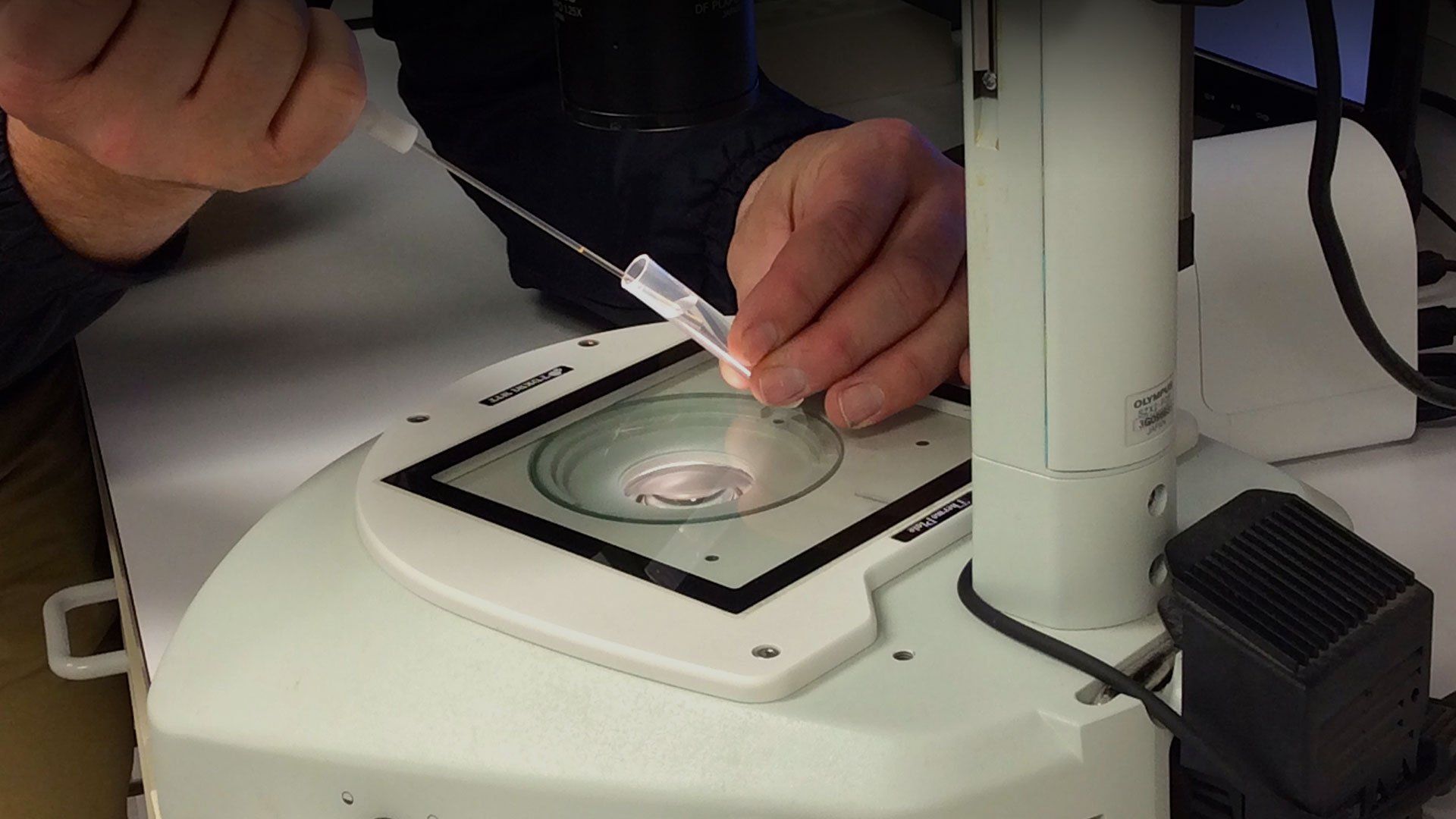
There are at least two labs currently offering a DNA test that reveals a horse’s HERDA carrier status. The test can be performed on hair or blood, is relatively inexpensive. Owners of popular stallions are advertising their horse’s HERDA status in an effort to control the spread of this terrible genetic disease. Knowing the genetic status of the mare and stallion prior to breeding can help guide the pairing decision process and eliminate the uncertainty of producing an affected HERDA foal.